A Lemon Lover’s Local Guide to the Amalfi Coast: What to Taste and Buy
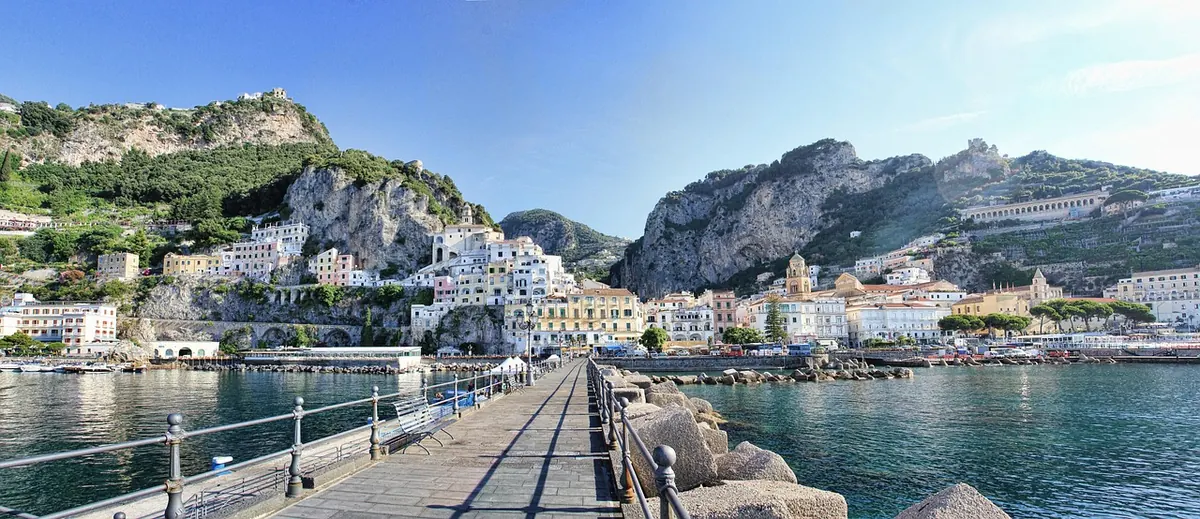
On the terraces above Amalfi, lemons grow under chestnut poles and against white walls, and the air smells like a perfume counter with the lid left off. These are not the uniform, thick-skinned lemons of a supermarket crate. They are Sfusato Amalfitano: long, knobbly, intensely fragrant, and protected by the Limone Costa d’Amalfi IGP. If you come for the views, you will leave remembering the zest.
The coast has turned lemon growing into a craft. Farmers hand-pick fruit from steep terraces, pack it carefully, and sell it in small shops and markets where the lemons often still have leaves attached. For a visitor, the pleasure is not just eating them. It is learning which products are made with care, which are sold mostly for the souvenir shelf, and how to carry a little of the coast home without wasting money.
The name sfusato comes from the fruit’s spindle shape: longer than a common lemon, with a pointed end and a slightly uneven surface. Cut one open and you find a thick rind, plenty of juice, and a perfume that is floral rather than sharp. The pith is bitter, so the zest is where the real value sits. That is why limoncello made here can smell so clean and bright when it is made properly.
These lemons are grown on terraces that have been worked for generations. The trees are protected from wind and weather with chestnut poles and nets, and the fruit is picked by hand. The Limone Costa d’Amalfi IGP label tells you the lemons come from a defined area of the coast and meet specific production rules. It is not a guarantee of every bottle or jar on the shelf, but it is a useful starting point.
You will also see the word sfusato used loosely. Ask what you are buying. A good greengrocer or producer will tell you where the lemons were grown and whether the product was made with local fruit. That conversation is often more reliable than a pretty label.
The coast does not have one neat lemon season. The trees flower in waves, so the harvest is staggered and fruit appears over a long window. The heaviest local supply tends to come in late winter and spring, with more fruit through summer and into autumn. Sizes and skins vary from one wave to the next, which is normal. A perfect-looking lemon is not always the most fragrant one.
If you want to see the harvest in action, late winter and spring are the safest bet. If you are visiting in summer, you will still find lemons in markets and shops, but the displays are often aimed at visitors. Look for produce shops away from the main tourist drag, and buy less than you think you need. Lemons bruise easily, and a heavy bag of them is a poor travel companion.
Lemons appear in more places than the souvenir shops suggest. Taste widely, but pay attention to how the lemon is used. The best products let the fruit speak; the worst hide it behind sugar, color, or artificial aroma.
Limoncello is made from lemon zest, alcohol, sugar, and water. It should taste like the peel, not like candy. Drink it cold, in small glasses, and treat it as a digestivo rather than a cocktail. Crema di limone is the creamier cousin, often made with milk or cream, and it is softer and sweeter. Both can be good, but they are different drinks.
When you buy limoncello, read the label. A short ingredient list is reassuring. A neon-yellow color is not proof of anything, but it is worth asking why the color is so loud. Small producers often sell opaque bottles, which protect the drink from light. If you are tasting before buying, ask whether the sample is the same batch as the bottle.
This is the coast’s lemon dessert: a light sponge cake filled with lemon cream and often finished with a thin glaze or zest. It is best eaten fresh, ideally the same day, from a pasticceria that sells them in small quantities rather than stacked in a window for days. The lemon should cut through the cream. If it tastes only of sugar, move on.
Lemon granita is a simple pleasure: ice, lemon juice, sugar, and enough restraint not to turn it into a slushy. On a hot afternoon, a small glass from a bar or gelateria can be better than a full dessert. Lemon marmalade is the product I most often bring home. It is good on toast, obviously, but also with aged pecorino or ricotta. Buy a jar from a small producer and check that lemon is high on the ingredient list, not just a flavor name on the front.
You will also find lemon salt, lemon honey, lemon chocolate, and lemon soap. Some are lovely; some are gifts in disguise. If you only have room for a few things, prioritize the edible products that are hard to find elsewhere.
The Amalfi Coast is a tourist economy, and lemon products are part of it. That is not a reason to be cynical, but it is a reason to shop with your eyes open. The best buys are usually in small produce shops, delis, pasticcerie, and farm stalls rather than in shops that sell the same limoncello bottle in five sizes next to ceramic magnets.