How to Choose and Store Lemons Like an Italian Market Shopper
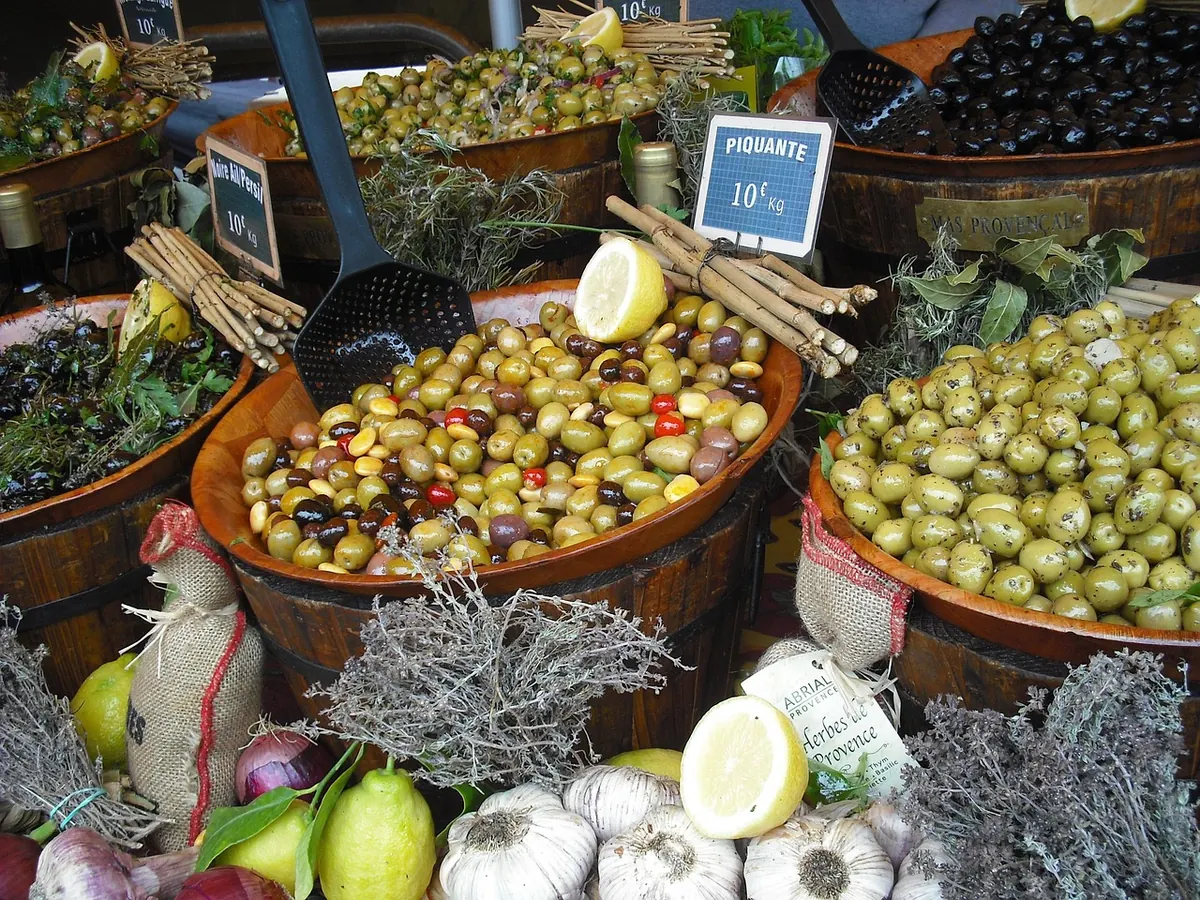
At a good Italian market, lemons are not a generic commodity. They are chosen the way a shopper chooses peaches: by feel, scent, weight, and a little common sense. Color matters, but less than you might think. Learn what a good lemon feels like in your hand, and you can walk into any stall—from a Sicilian greengrocer to a neighborhood supermarket—and come away with fruit that tastes bright and keeps well. The goal is not to find the prettiest lemon but the one that will give you the most juice, the cleanest zest, and the fewest surprises a week later.
Pick up three lemons and compare them. A good one feels heavy for its size, as if the skin is holding more juice than seems possible. It should be firm but not rock-hard, with a slight give when you press gently. Avoid any lemon that feels spongy, light, or soft at one end; those are signs of age, drying out, or damage that will spread. Size is not a guide to quality. A large lemon can be thick-skinned and pithy, while a small one can be dense with juice. This is why two lemons that look identical on the shelf can behave very differently in the kitchen: one yields a generous splash for a dressing, the other yields a few stingy drops and a lot of white pith.
Look for skin that is taut and unbroken. Small scuffs are harmless, but cuts, punctures, and damp patches are not. A little green on the skin is not a defect; some varieties ripen to yellow slowly, and a green-tinged lemon can still be juicy. For the common yellow lemons in most shops, choose one that is mostly yellow with no shriveled ends. If the lemon looks tired and dull, it probably is. A good test is to compare the blossom end and the stem end: both should look clean and intact, not dark, wet, or sunken.
The skin tells you more than color alone. Smooth, fine-grained skin usually means a thinner rind and more juice. Coarse, bumpy skin often means a thick layer of pith, which is fine for zest but disappointing when you need juice. These are tendencies, not rules. Check the stem end: it should look fresh and greenish, not brown, dry, and shrunken. Then smell the blossom end, the opposite tip. A fresh lemon has a clean, bright citrus scent. If it smells faintly musty, fermented, or of nothing at all, put it back.
Give the lemon a gentle squeeze. It should yield just slightly and spring back. A hard lemon may be underripe; a mushy one is past its best. If you are buying for a specific job, let that guide you. A lemon for juicing can be slightly softer and less beautiful, as long as it is not moldy or dried out. A lemon for zesting or slicing into a salad should be firm, smooth, and unblemished, because the peel is what you will taste and see. Use this quick checklist at the stall:
At a market, avoid digging through the crate. Lift lemons from the top and turn them in your hand; the ones at the bottom are often bruised by other shoppers. If the vendor has several piles, ask which are best for juice and which for zest. A good greengrocer will know. For zest, choose smooth, unwaxed lemons if you can find them; if they are waxed, scrub them well before using the peel. For juice, weight matters more than beauty.
Buy a mix if you will use them over a week or two: a few fully ripe lemons for now, a few slightly firmer ones to keep. Do not buy a whole bag without checking it. One moldy lemon can spoil the group. Carry them in a cloth bag rather than a sealed plastic one, and keep them out of the sun on the way home. If the lemons are damp from the market, dry them as soon as you unpack. At a supermarket, the same rules apply, but be extra wary of fruit that has been misted or packed tightly in plastic: moisture and poor air circulation are a lemon’s enemies.
Not all lemons are the same, and a little variety knowledge helps at the stall. In Italy, you may see pale, thin-skinned lemons early in the season and thicker-skinned, deeply yellow fruit later on. Some lemons are prized for perfume and zest, others for abundant juice. You do not need to memorize names to shop well, but you can use your senses: a lemon that smells strongly at the blossom end is usually a good sign for zest and raw uses, while a heavy, slightly softer lemon is often the better juicer.
Season matters too. Lemons are available all year, but they are at their best in the cooler months in many growing regions. Off-season lemons can still be good, especially if they have been stored well, but they are more likely to be thick-skinned or dry. Buy what looks and feels right rather than assuming a particular month guarantees quality.
Whole lemons keep for about a week at cool room temperature. Keep them in a bowl or open basket, away from direct sun and the heat of the stove. Do not pile them in a sealed container; trapped moisture encourages mold. If your kitchen is warm and humid, move them to the fridge sooner. A shallow bowl is better than a deep one because it lets you see the fruit and use the oldest lemons first.
For longer storage, use the crisper drawer. Keep lemons loose or in a perforated bag, not in a tight plastic bag. Dry them first if they are damp. Whole lemons usually keep for several weeks this way. Check them once a week and remove any that have soft spots or mold. Do not wash them before storing; wash only before you use them. Lemons give off ethylene, so keep them away from delicate greens and herbs that spoil quickly.
Wrap the cut face of a lemon tightly and refrigerate it; use it within a few days. If you have zested a lemon, wrap the whole fruit and use it soon, because the peel dries out quickly. Juice freezes well in ice-cube trays—freeze, then bag the cubes. Zest freezes well too, in small airtight bags. Label both with the date and use them within a few months for the best flavor. Whole lemons can be frozen if you only plan to use them for juice or cooked dishes, but they will turn soft when thawed.
Many supermarket lemons are waxed to help them travel and stay glossy. The wax is generally food-safe, but it can hold dirt and make the peel less appealing for zest. If you plan to use the zest, scrub the lemon under warm water with a soft brush and a little baking soda, then dry it well. Better still, look for unwaxed lemons at a farmers’ market or a shop that labels them clearly. Organic lemons are not automatically unwaxed, so ask if the peel is going to matter to you.
Labels can guide you, but they cannot replace your hands and nose. “Unwaxed” is useful for zesting; “organic” tells you about growing practices, not freshness. A conventionally grown lemon that is firm, heavy, and fragrant is a better buy than a tired organic one. And a lemon sold loose is often easier to inspect than one sealed in a plastic bag with three of its neighbors.
A few habits shorten a lemon’s life. Storing damp lemons in a sealed bag is the most common. Washing them before storage adds moisture. Leaving a cut lemon unwrapped on the counter dries it out and picks up odors. Keeping one moldy lemon in the bowl spreads spoilage to the rest. Judging only by color leads to pithy, dry fruit. And leaving lemons in direct sun or beside the stove makes them soften quickly. None of these mistakes is dramatic on its own, but together they explain why one shopper’s lemons last a week and another’s last a month.
When you bring lemons home, dry them, sort them, and put the oldest ones in a small bowl where you can see them. Use those first for dressings, drinks, or zest. Store the rest in the fridge. Once a week, check the bowl and the drawer, remove any soft fruit, and move the next lemons forward into the bowl. This small rotation keeps you from discovering a forgotten lemon only when it has turned. It also makes you a better shopper: you learn how quickly your household uses lemons, so you buy the right amount next time instead of a hopeful bagful that slowly declines on the counter.
Photo: girochantal / Pixabay
Previous Post
7 Common Mistakes to Avoid When Making Risotto at Home
Next Post
Seasonal Italian Citrus Guide: What to Buy Month by Month