How to Make Creamy Lemon Pasta with Fresh Zest and Juice
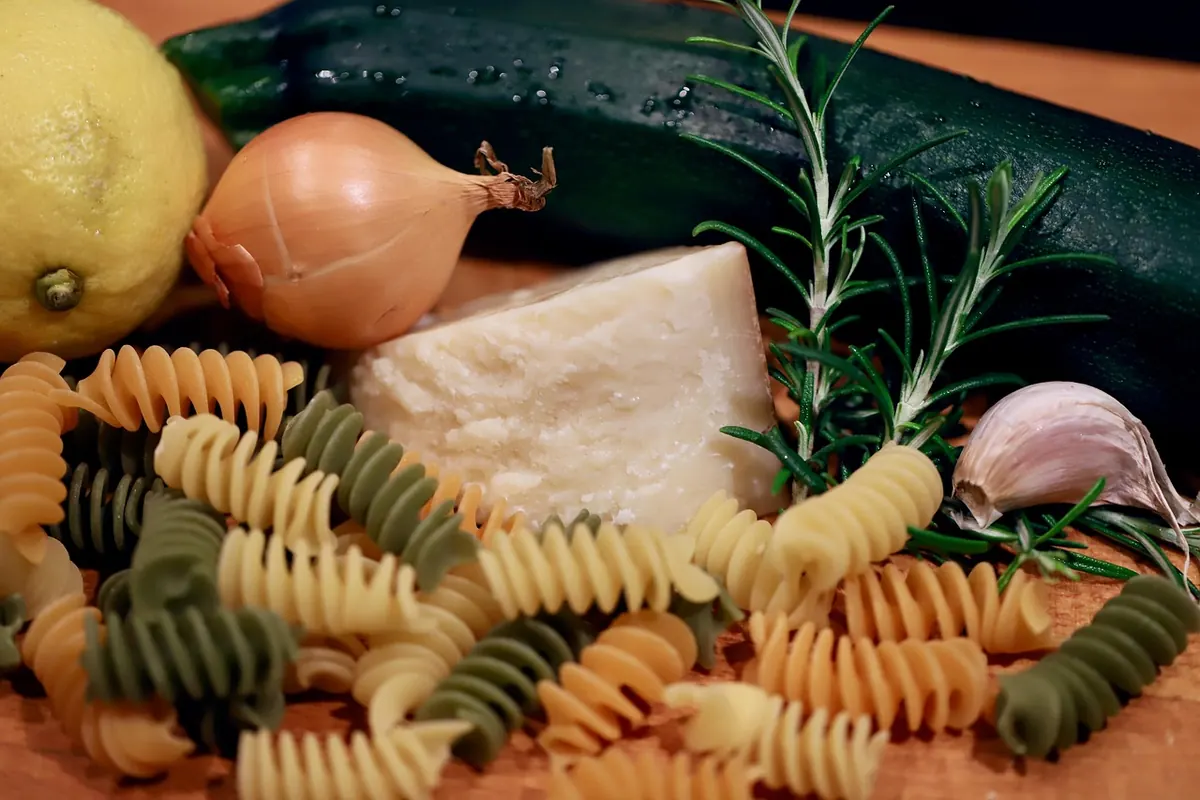
Lemon pasta looks like a five-ingredient dish and behaves like a small chemistry experiment. Get it right and the sauce coats every strand like silk, sharp and savoury at once, the kind of thing you keep eating well past the point of being full. Get it wrong and you are looking at curdled cheese, a sad pool of juice at the bottom of the bowl, and a bitter sting at the back of your throat.
The gap between those two outcomes is technique rather than shopping. Nothing here is difficult, but the order matters, the heat matters, and the way you handle the zest matters more than most recipes bother to say. This is the version to cook when lemons are good and dinner needs to be on the table in twenty minutes, with the places things usually go wrong flagged as we go.
For two generous portions:
That is it. No cream is required, though there is a version below for anyone who wants a heavier, more forgiving sauce.
Zest the lemon before you juice it. This sounds obvious and is forgotten constantly, usually by someone trying to grate a collapsed lemon shell.
Use a microplane or the finest side of a grater and take only the yellow layer. The white pith underneath is where the bitterness lives, and a single deep pass with a coarse grater can ruin a whole pan of sauce. Work around the lemon in short strokes, turning it as you go, and stop the moment you see white. If your lemons are waxed, scrub them under hot water and dry them well, or buy unwaxed ones when you can.
One small trick that pays off: rub the zest into the grated cheese or into the cold butter with your fingertips before it goes anywhere near the pan. The abrasion releases the lemon oil, and the whole dish tastes more of lemon without a drop of extra juice. Keep the zest and the juice separate until the end. Zest left sitting in juice for a long time starts to taste dull and slightly bitter.
What makes this dish feel creamy is fat suspended in starchy pasta water. Butter and melted cheese are held in a fine suspension by the starch, which is why the water you scoop out of the pot is not optional — it is the ingredient that stops everything splitting.
The other rule is heat. Cheese added to a hot pan seizes into clumps; lemon juice added to a hot pan goes harsh. Both want to meet the pasta off the heat, in a wide bowl or a warm pan set aside, where you can toss vigorously without the sauce tightening.
If you would rather have a richer, more foolproof sauce, melt the butter with the zest, pour in 100 ml of double cream, and let it bubble gently for a minute before the pasta goes in. It will not split. It will also mute the lemon, so add extra zest at the end and taste before you decide about more juice.
Serve immediately, in warm bowls. This sauce stiffens within a couple of minutes as it cools, which is a texture problem rather than a flavour one, but it is easier to avoid than to fix.
Almost every disappointing lemon pasta can be traced to one of four things. The first is pith, as above. The second is overcooked dairy: butter left to brown hard, or cheese heated until it tightens, both of which read as sharp and slightly acrid against lemon.
The third is over-reduced juice. Lemon juice boiled down concentrates its bitter notes along with its acidity. Keep it for the end, off the heat. The fourth is thin-skinned, thick-pithed lemons, which give very little zest for a lot of pith — worth squeezing one before you commit to it.
If the sauce has already turned bitter, do not add more lemon to fix it. A pinch of salt, a small knob of cold butter, or a spoonful of mascarpone will round the edges. A very small pinch of sugar, dissolved, does more than you would think.
Seasoning this dish is mostly a question of deciding whether it needs salt, fat or acid, and then adding only that. If it tastes too sharp, add fat — butter or a little cream — rather than more cheese, which brings salt with it. If it tastes flat and dull, add zest, which gives aroma, before you reach for more juice. If it tastes greasy, you have too much fat and not enough water: a few tablespoons of hot pasta water and a hard toss will bring it back. If it looks dry and claggy, the same water, a spoon at a time, loosens it.
Salt at the end, always. Cheese varies in saltiness from wedge to wedge, and the amount of pasta water you used changes everything.
Blanched peas, thin asparagus tips or wilted spinach go in with the pasta at the tossing stage. Pat them dry first; wet vegetables water down the sauce.
Basil is the obvious partner, but mint and parsley work well and stay greener. Toasted almonds, pine nuts or coarse breadcrumbs scattered on top give the dish the crunch it otherwise lacks.
Sauté prawns in olive oil and a little garlic, then fold them in at the end with the juice. Keep the garlic pale — burnt garlic plus lemon is a reliably unpleasant combination.
Eat it straight away. This is not a dish that improves with time, and it does not sit happily in a warm oven while you finish something else.
Leftovers keep for a day in the fridge. Reheat them gently in a pan over low heat with a splash of water, tossing until the sauce loosens, or microwave them covered with a spoonful of water. Whatever you do, add fresh zest and a squeeze of lemon after reheating, because the lemon will have faded and the cheese will taste flatter than it did the night before. Do not try to make the sauce ahead: the emulsion will break and no amount of tossing will bring it back.
Photo: Nennieinszweidrei / Pixabay