Limoncello vs. Arancello: A Home Cook’s Comparison of Citrus Liqueurs
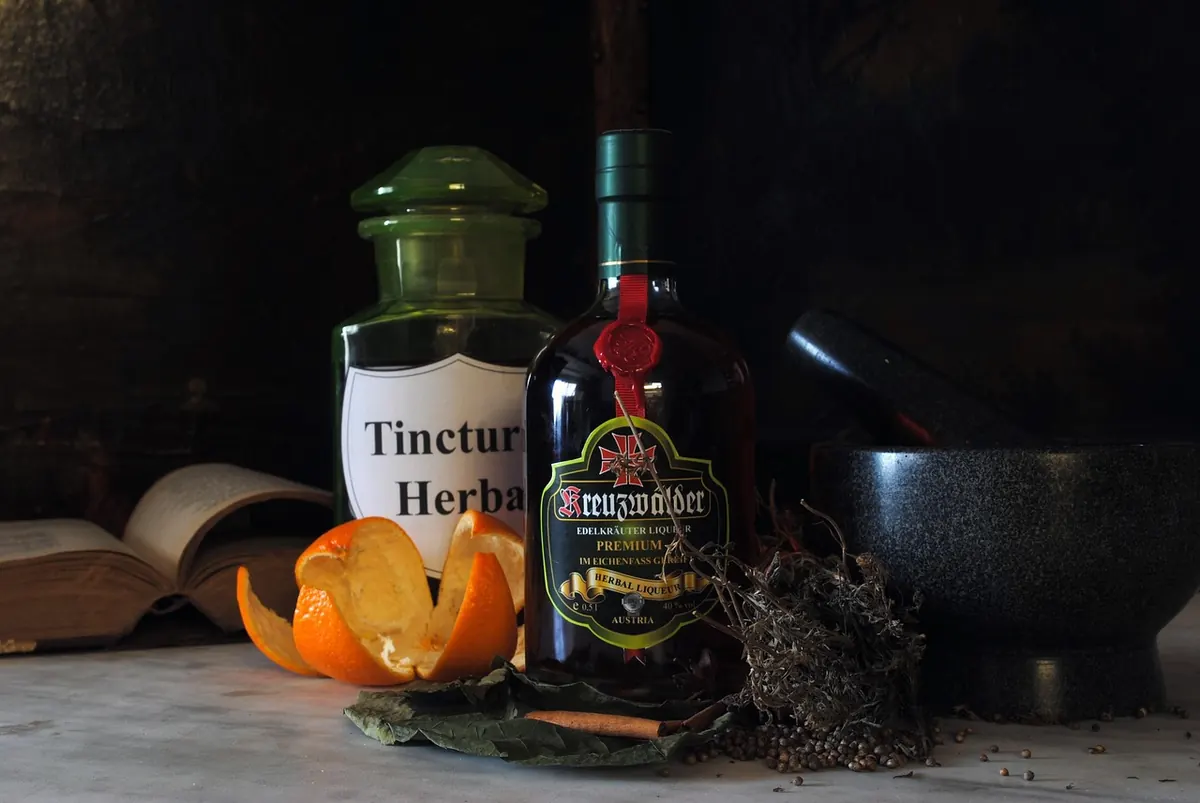
Two jars sit on my counter from late June: one packed with curls of lemon peel, one with strips of orange. Both get covered in strong alcohol and parked in a dark cupboard, and a few weeks later they turn into drinks that taste like cousins rather than siblings. Limoncello and arancello share the same technique and often the same bottle of spirit, yet they behave quite differently in the jar. Knowing where they part ways is the difference between a liqueur you make once and one you make every summer.
Limoncello has the reputation: the Amalfi coast, Sorrento lemons, small frozen glasses at the end of a long lunch. Arancello is the same idea applied to oranges, made across southern Italy and especially in Sicily, and far less known outside the country.
Neither is a distilled spirit in the way grappa is. Both are macerations. Oil-rich peel sits in alcohol, the alcohol pulls out the aromatic oils and colour, the peel comes out, and sweetened water goes in. No still, no ageing, no special equipment — a large glass jar and a cupboard will do it.
The differences start with the fruit. Lemon peel is thin, fiercely aromatic, and sits above a very acidic flesh. Orange peel is thicker, spongier, sweeter-smelling and carries much less acid. That single fact shapes everything that follows: how long you infuse, how much sugar you need, and how the finished drink feels in your mouth.
Every version of either drink contains citrus peel, alcohol, water and sugar. The variables are what matter.
Taste a spoonful of each infusion before you sweeten anything. Lemon is bright and sharp, almost aggressive. Orange is rounder and already sweet-smelling, with a faint floral edge and, if you use blood oranges, a berry-like note underneath.
The same syrup recipe will therefore produce two very different drinks. Lemon can carry more sugar than instinct suggests, because the acid keeps cutting through it; push it too far, though, and you get something syrupy and cough-sweet, with a sticky finish and none of the perfume. Orange needs a lighter hand. Without acid to balance it, sugar flattens the aromatics first and everything else follows. A common mistake with arancello is to sweeten it to limoncello levels and end up with something closer to alcoholic orange squash.
My approach: make the syrup at moderate strength, add it to the strained infusion in stages, and taste between additions. Do this at room temperature, and dilute the sample slightly with water. Cold mutes sweetness and strong alcohol hides it, so a liqueur that tastes right at room temperature will taste a touch less sweet from the freezer — usually exactly where you want it.
The method is identical for both drinks. The timing is not.
Limoncello is at its best ice-cold and in small measures, two or three centilitres, as a digestive. It also makes a good long drink with soda and a strip of lemon peel, and a spoonful brushed over a warm lemon cake is a fine use for a bottle that is going stale.
Arancello benefits from being served a degree or two less cold, so the orange aromas can actually reach you. Try it over ice with soda, in place of aperitivo bitters in a spritz, or poured sparingly over vanilla ice cream. Both drinks are strong and sweet, so small glasses are not stinginess; they are the point.
Bitter. Pith got in, or the peel stayed too long. Orange is less forgiving than lemon here, which is why arancello rewards a slightly earlier strain.
Cloudy. Usually water getting into the alcohol — damp peel, a wet jar, a low-proof spirit — plus fine particles of pith. It is harmless; filter through muslin and start with bone-dry peel next time.
Too sweet. Add more of the reserved infusion, or a little alcohol diluted with water. Water alone just dilutes the flavour and leaves the sugar behind.
Harsh or flat. Harsh usually means it needs another couple of weeks of rest, not more sugar. Flat and vaguely woody means the peel gave everything it had; start again with a shorter infusion.
Make half-litre batches side by side: same alcohol, same syrup, same start date. Tasting them against each other teaches more than any recipe can, because you will notice exactly how much sweetness the orange needs before it turns dull, and how much acid the lemon brings to the same amount of sugar.
Label every jar with the fruit, the alcohol, and the dates the peel went in and came out. Once you have a baseline you like, push it: a few mandarin peels in with the lemon, a strip or two of grapefruit alongside the orange. Small bottles make good gifts, with a note reminding the recipient to keep them in the freezer.
One sensible note: these are alcoholic drinks, and sweet ones at that. If you are watching alcohol or sugar for medical reasons, ask a doctor or dietitian rather than relying on a recipe.
Photo: creativissimo / Pixabay
Previous Post
A Beginner’s Guide to Italian Aperitivo: Drinks, Snacks, and Timing
Next Post
Italian Street Food Checklist: 10 Regional Snacks to Try Before You Leave